
Answer the question honestly
If a part is going to be expensive, or the tolerance on the print is tighter than the job actually needs, you hear about it while it is still a quote — not on the invoice.
About the shop
Knick Machining has been cutting metal in the Gallatin Valley since 1992. Same trade, same standards, a lot more machines than it started with.
How it started
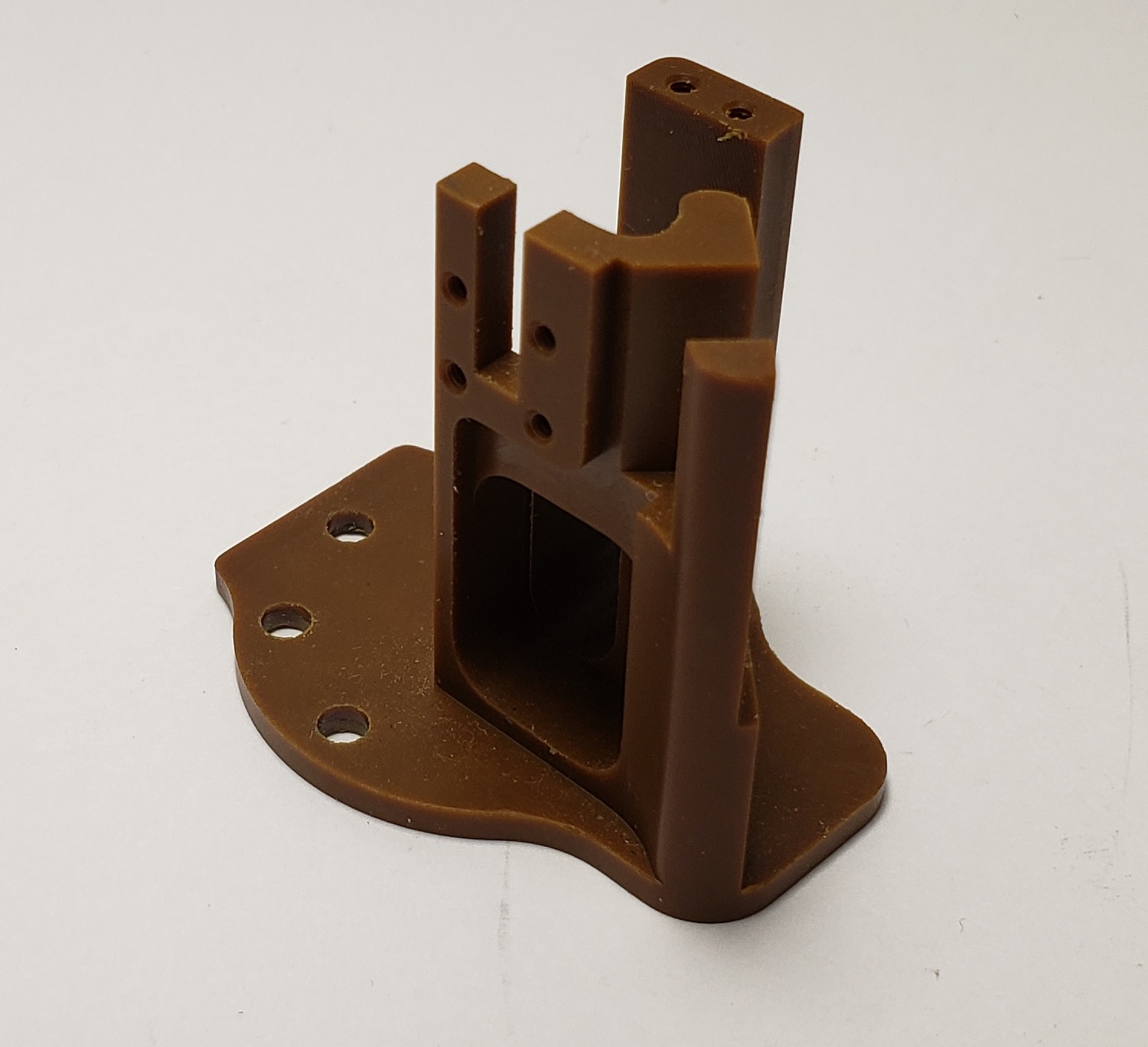
Knick Machining opened in 1992 and has spent every year since making parts for businesses around Bozeman, Belgrade and the wider Gallatin Valley. It is a job shop in the proper sense: no catalogue, no standard product, just whatever the drawing says.
The work that comes through the door ranges from a single replacement part someone brought in because the original supplier no longer exists, to weekly production batches for manufacturers who have been ordering the same components for years.
One customer put it plainly on Google: “We work with these guys every week for a ton of different parts they make for us. Part quality is always great.” That is the business model in a sentence.
How we work
If a part is going to be expensive, or the tolerance on the print is tighter than the job actually needs, you hear about it while it is still a quote — not on the invoice.
Machining, welding and finishing all happen here. Nothing waits in another shop's queue, which is most of the reason lead times stay short.
Setups get documented so a repeat order runs the same way. Consistency across a batch is worth more to most customers than a fast first article.
Who you'll deal with
A crew of roughly two dozen across machining, fabrication and inspection.
Owner
Founded the shop in 1992 and still the name customers ask for by the time they are on their second job.
Tony founded Knick Machining in 1992 and has run it ever since. Customers tend to name him directly rather than the company — one review simply reads “do not hesitate to due business with Tony and the gang.”
That is usually what a shop this size runs on: the owner is on the floor, knows what is on every machine, and answers the phone when a job needs to move up the queue.
CNC & Manual
The programmers and machinists who take a print from setup sheet to finished part on the mills and lathes.
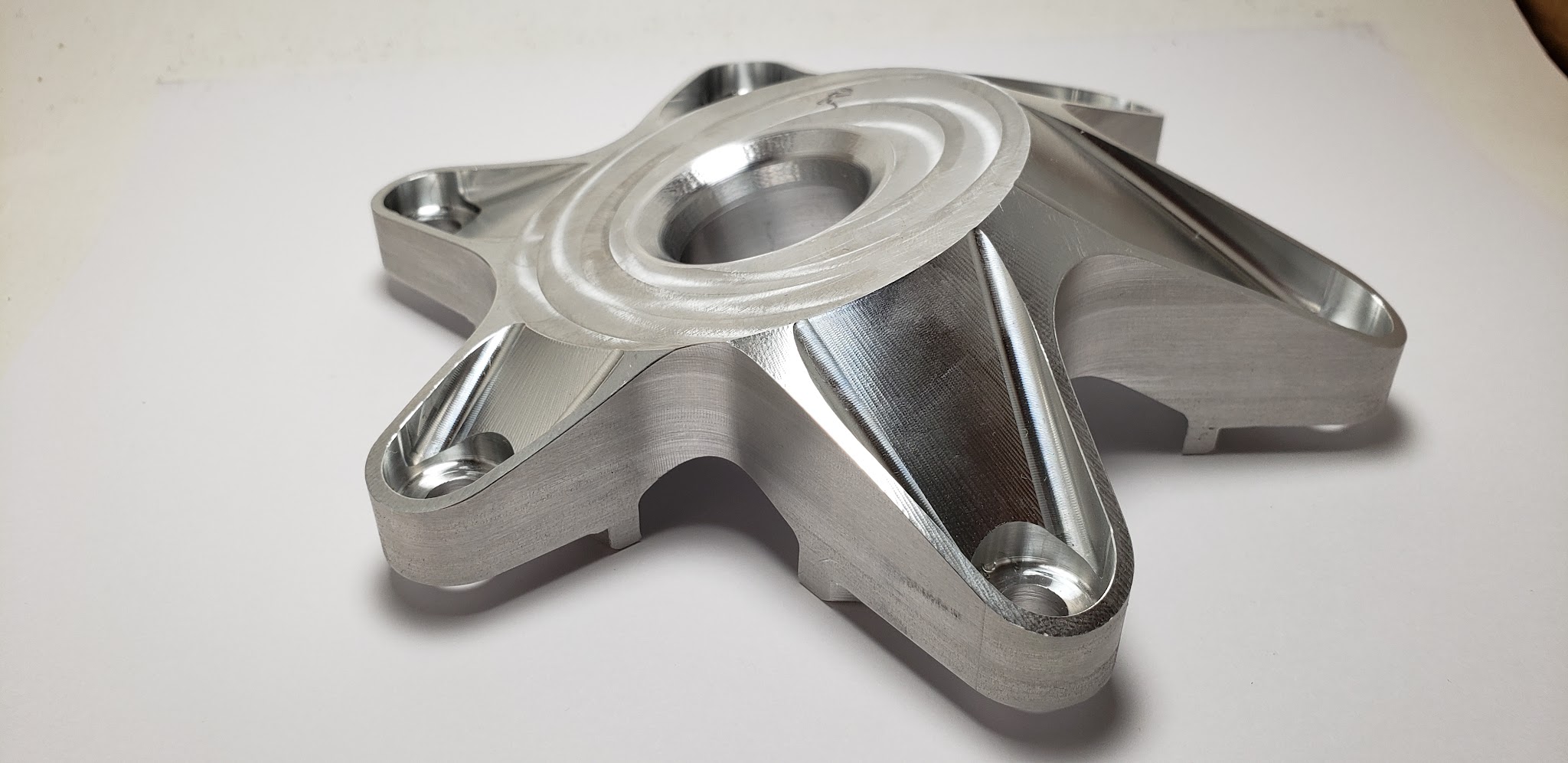
The machining side covers both CNC and conventional work. On the CNC mills and lathes that means writing the program, proving the setup, and documenting it so the next run of the same part behaves the same way.
On the manual machines it means the jobs that never justify a program — a single modification, a repair, a part that has to be fitted to something that already exists.
Welding & Assembly
MIG and TIG welding and fabricated assemblies, finished alongside the machined parts they bolt to.
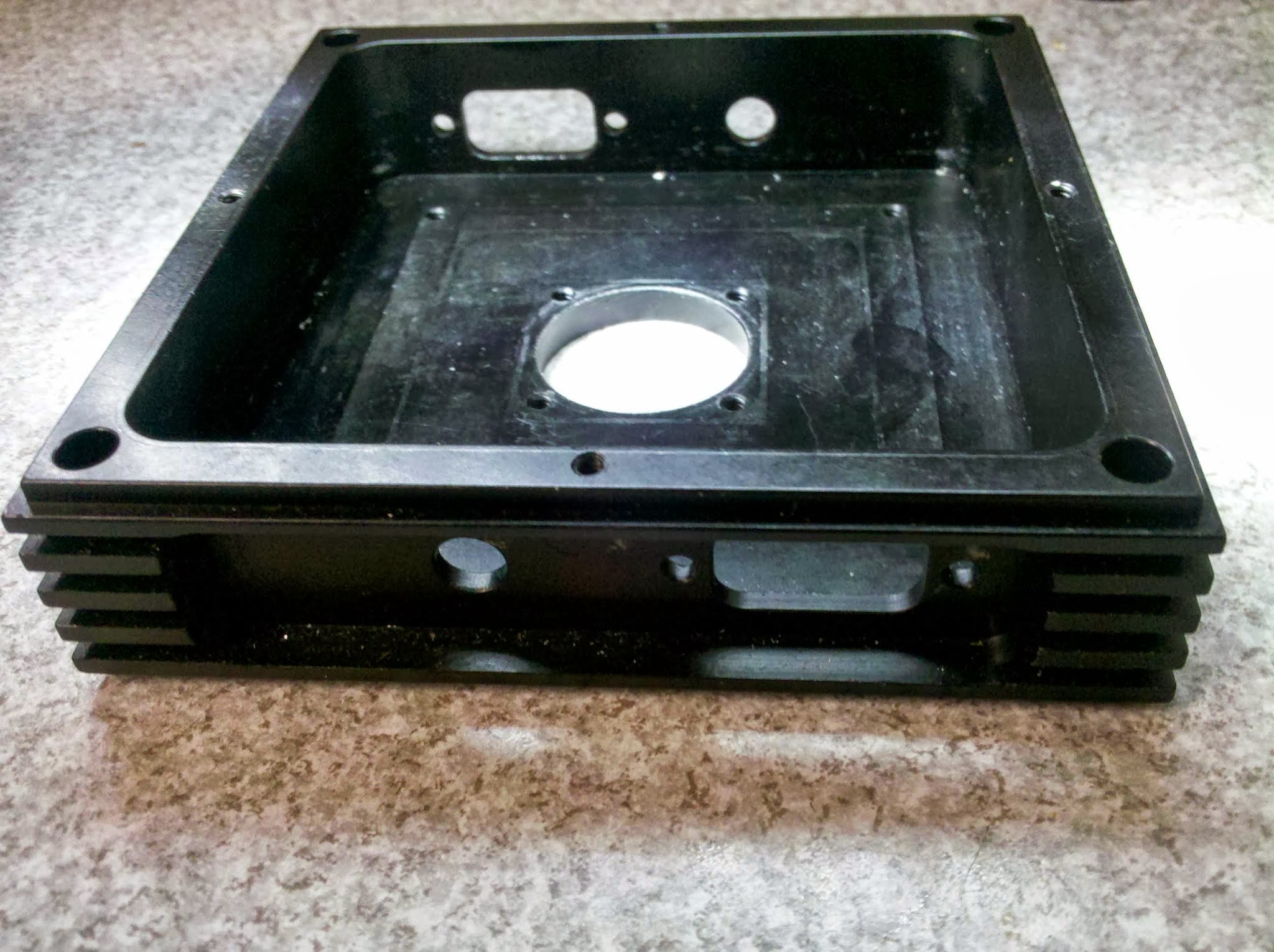
Keeping welding in the same building as the machining is what stops a job from stalling. A weldment can be fabricated, stress-relieved and then machined without leaving the site or sitting in another shop's queue.
It also means fit-up problems get caught by the person who will have to weld it, not discovered three weeks later by a customer.
Measurement
Parts get checked against the print before they go in the box, not after they fail on your bench.
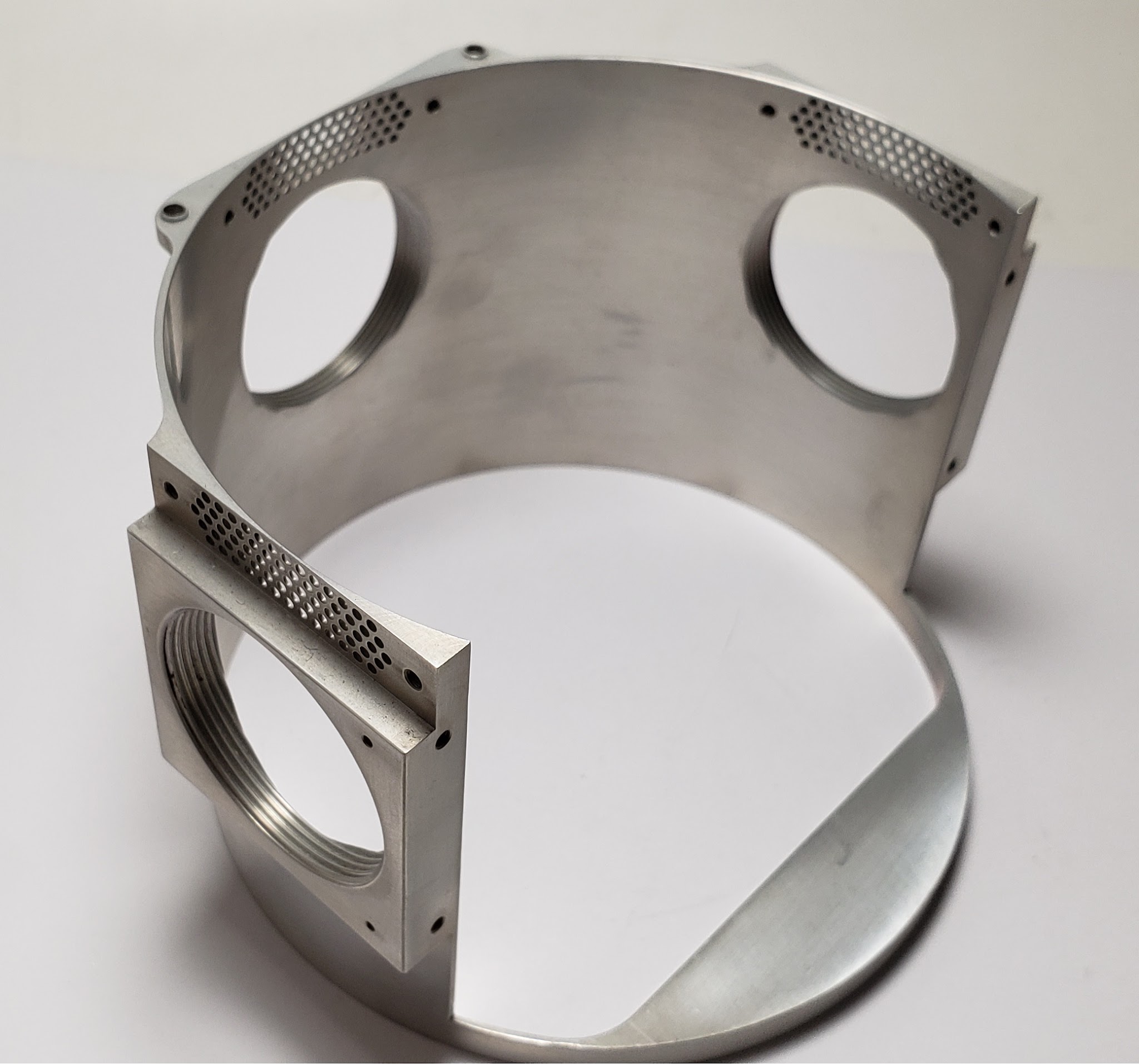
Every job is measured against the drawing before it ships. For repeat production that means in-process checks through the run, so the last part off the machine measures like the first one.
It is the least glamorous part of the process and the one that decides whether a customer calls back. A part that fails on your bench costs both of us far more than the inspection did.
Team detail pending client confirmation — see CONTENT-GAPS.md
Where to find us
The shop sits in the Four Corners area between Bozeman and Belgrade — a few minutes off Huffine Lane, easy to reach from either town with a part in the back of the truck.
Ready when you are
Send the print and the quantity. You will get a straight answer on cost and lead time.